Beyond Borders: Bringing Refugee Girls Together Through Health, Education & Life Skills
Sometimes the most meaningful outcomes are the ones you never planned.
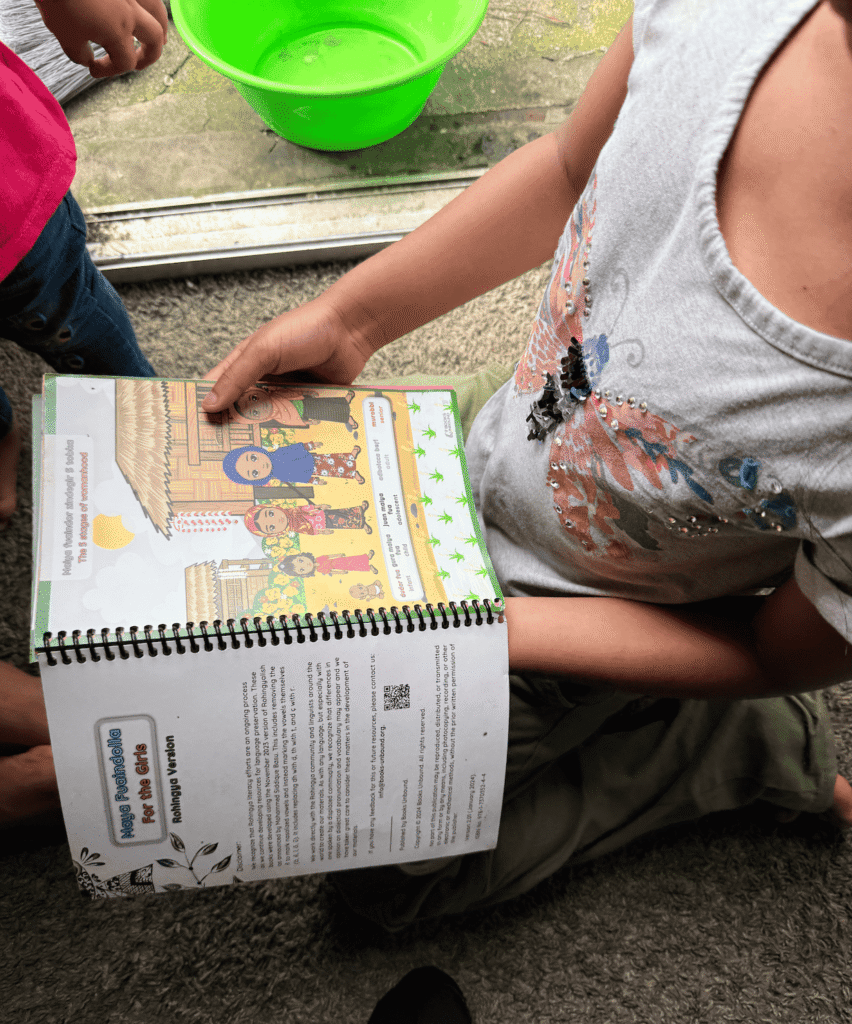
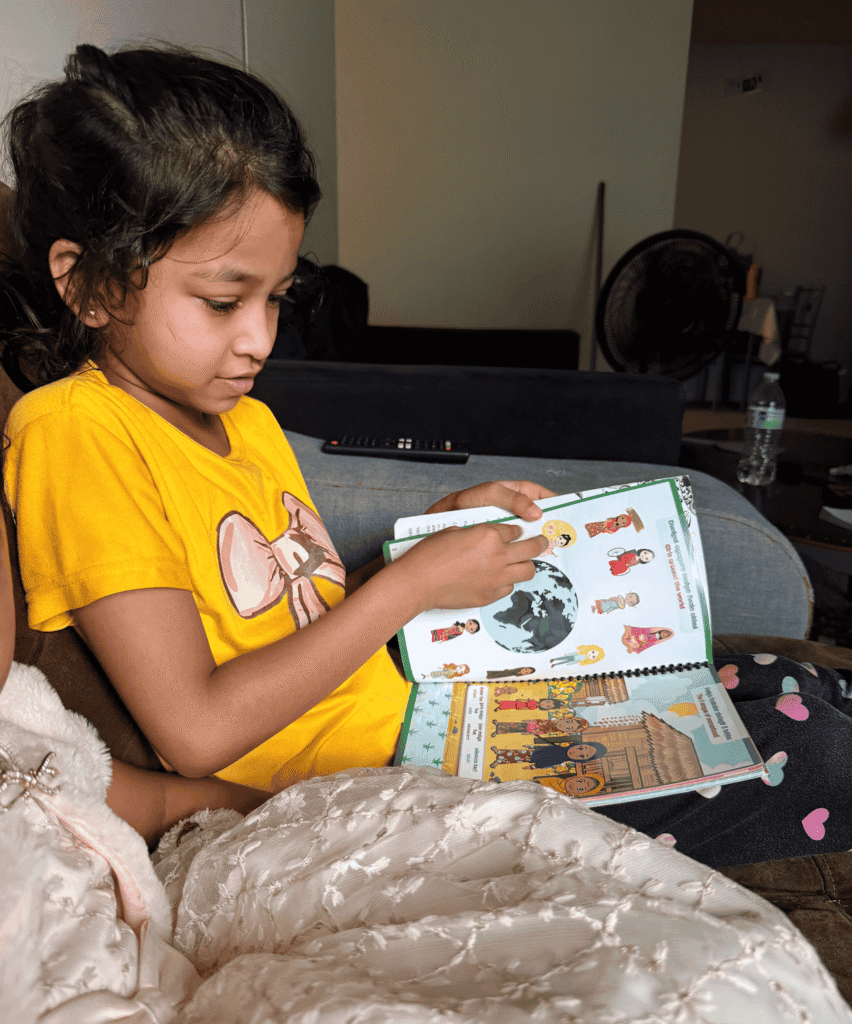
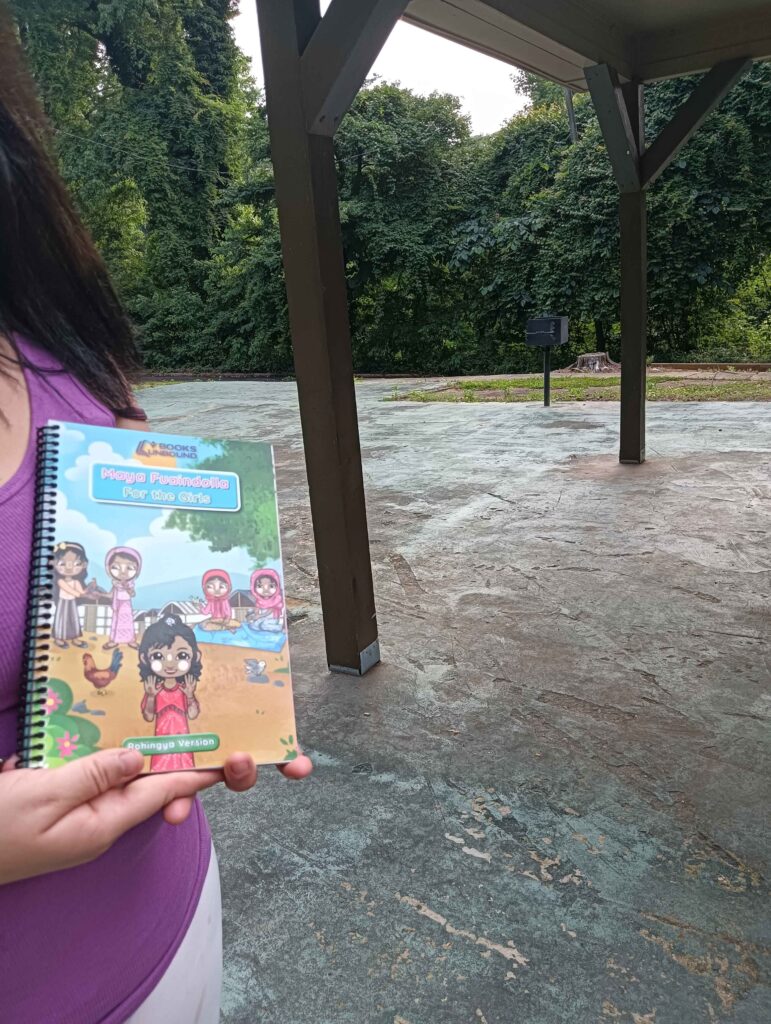
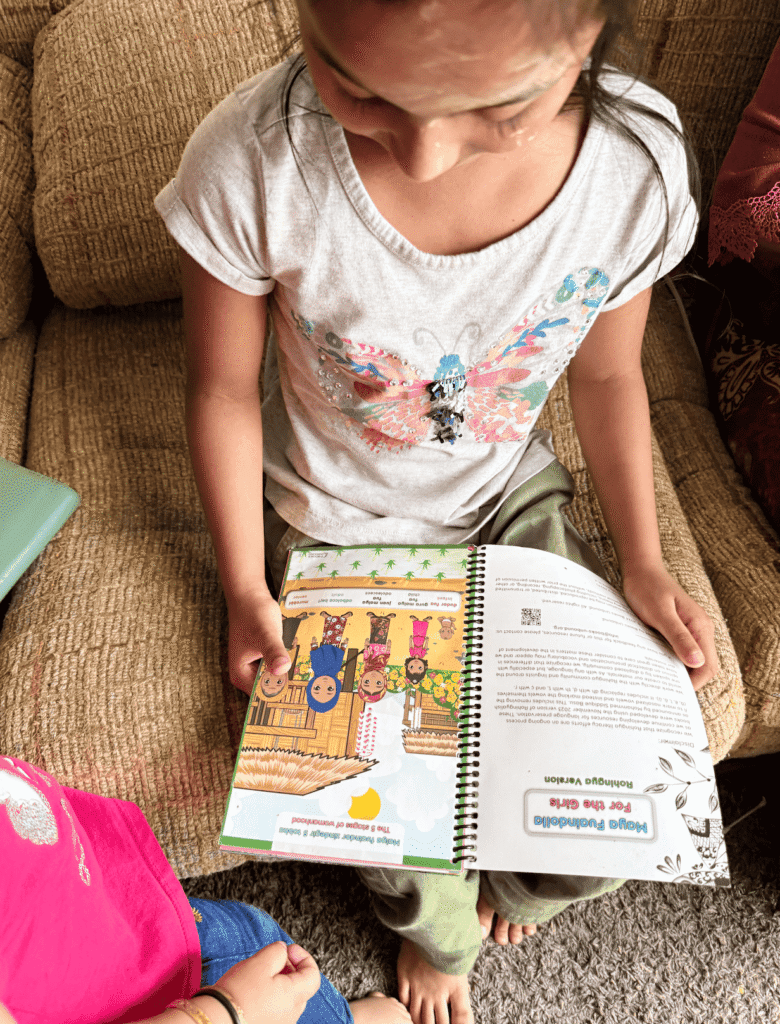
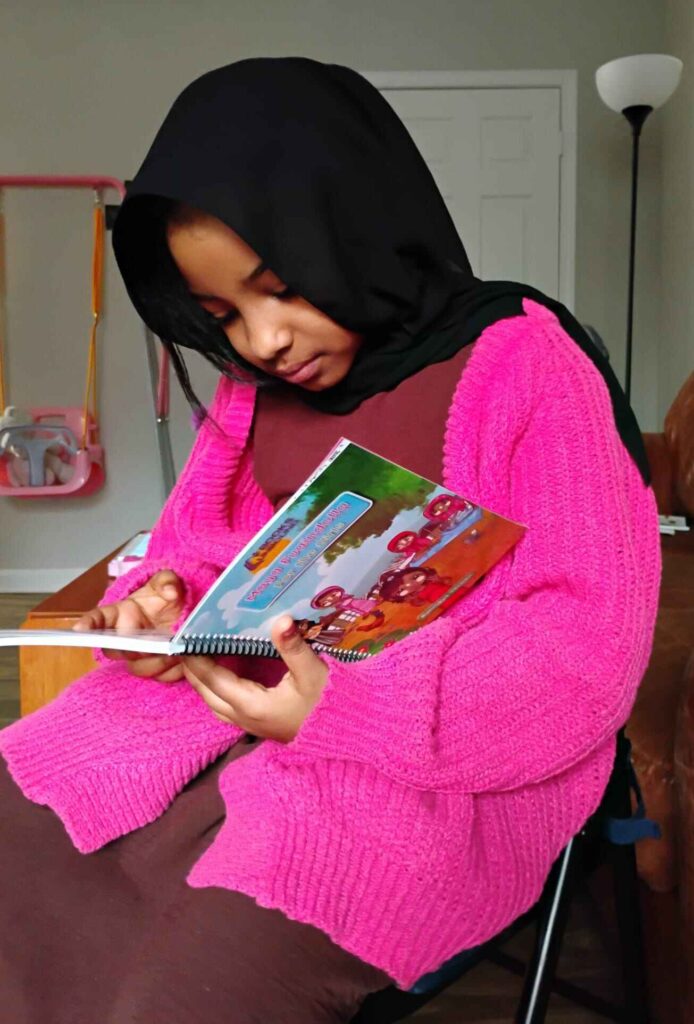
Because of the books given to them, the students learned a fair amount about Afghan and Rohingya culture. With the prompts from the Teacher Guide, the students had the chance to share about their own cultures, traditions, and perspectives.
The Afghan and Rohingya girls’ books provided a starting point for learning, and it quickly became a space for cross-cultural learning and connection. We didn’t set out to create a cultural exchange program when designing our Girls’ Book. But watching it happen showed us something beautiful about what can happen when girls from different backgrounds are given a space to learn together.
That combination—finding common ground while appreciating difference—became one of the most meaningful parts of the program.
Finding Common Ground Through Physical Activity
Physical activity became another way for the girls to connect.
At the beginning of the program, 41% of participants said they loved or sometimes enjoyed physical activity. Among participants completing the final survey, it increased to 93%.
Playing games and moving together created an opportunity for girls from different backgrounds to build relationships.
The girls also explored topics that extended beyond cycle awareness and health. Participants reported learning about self-confidence, leadership, communication, teamwork, and problem-solving.
Learning that extends beyond the classroom
Participants also reported learning about reproductive health, pregnancy, family planning, menstrual health, newborn care, breastfeeding, hygiene, nutrition, mental health, and protecting themselves from violence.
Some of this knowledge has the potential to reach beyond the individual participant and into families and communities.
One participant wrote:
I learned how to protect myself from violence.”
Another said:
I learned the importance of family planning.”
And another shared:
I learned how to care a newborn baby.”
What We Learned
With the support of a newly resettled teacher in the U.S. who had helped launch our first Girls Programs in Bangladesh, we brought the program to U.S. communities. We conducted four Girls Programs between 2025 and 2026.
Among participants completing the final survey:
-
93% said they would participate in the program again.
-
100% reported learning something specific from the program.
-
100% said they had someone they could talk to when experiencing something difficult.
-
100% expressed interest in pursuing a career or starting a business.
-
93% loved or sometimes enjoyed physical activity.
-
90% were comfortable sharing during group discussions.
Together, they show the power of creating spaces where refugees from all backgrounds can learn from one another, share their cultures, and build meaningful connections.
If you’re interested in our programs, you can:
-
Check out our Girl’s Book collection here.
-
Reach out to us if you work in a community that would benefit from a culturally tailored version of the Girls’ Book.
-
Donate to our programs to keep this work going.